Industry Guides
Published on Nov 19, 2026
How Restaurants Can Capture Catering and Private Event Enquiries Without Missing Potential Bookings

Rexpt Editorial Team
10 min read
Restaurants often receive catering and private event enquiries while staff are busy serving guests. Learn how to capture important details, organize event requests, and make sure potential customers receive a timely response.
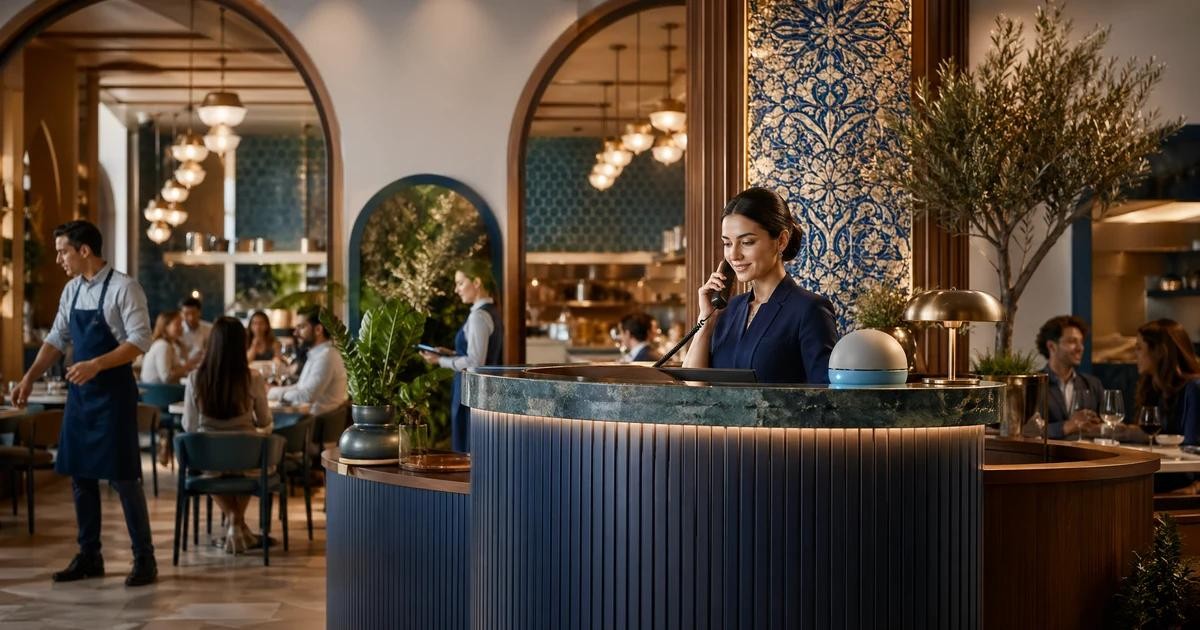
Restaurants receive more than table reservation calls. Customers also call to ask about birthday celebrations, corporate dinners, private dining, wedding-related events, and catering services.
These enquiries can represent valuable business opportunities. However, they often arrive while restaurant teams are busy managing guests, coordinating food service, or handling other responsibilities.
When nobody is available to answer the phone, a potential customer may not get the information they need or may move on to another venue.
For restaurants that offer catering and private events, having a clear process for handling incoming enquiries is essential. It helps teams collect the right information, respond consistently, and make sure promising requests reach the appropriate person.
In this guide, we explore how restaurants can organize catering and private event calls, what information to collect, and how an AI receptionist can support the enquiry process.
Why Catering and Private Event Enquiries Matter for Restaurants
A restaurant may receive calls from customers planning occasions that require more than a standard table reservation.
Common examples include:
- Birthday celebrations: Customers looking for group dining, private rooms, or special arrangements.
- Corporate events: Businesses enquiring about team dinners, meetings, and company celebrations.
- Private dining: Guests interested in reserving a dedicated dining area for a special occasion.
- Catering requests: Customers asking about food services for office gatherings, family events, or celebrations.
- Wedding-related events: People exploring restaurant catering or dining arrangements for wedding-related functions.
Each enquiry may involve different requirements, budgets, dates, and follow-up steps.
A restaurant that handles these calls systematically can make it easier for its team to understand what the customer needs and decide how to respond.
Why Restaurants Miss Catering and Event Enquiries
Even restaurants with experienced staff can struggle to manage every incoming call during busy periods.
1. Staff Are Focused on Guests
During lunch and dinner service, employees may be welcoming customers, taking orders, coordinating tables, or supporting kitchen operations.
Answering a detailed event enquiry may require several minutes of conversation. Staff may not always be available to give that caller the attention they need.
2. Event Enquiries Require More Information
A regular reservation enquiry may involve a date, time, and party size.
A catering or private event request can require considerably more information, including:
- Type of event
- Preferred event date
- Estimated number of guests
- Preferred venue or service arrangement
- Catering or dining requirements
- Contact information
- Any additional questions for the events team
If these details are not collected properly, staff may need to call the customer back to understand the request.
3. Calls Can Arrive Outside Business Hours
People often research restaurants and event venues outside normal operating hours.
A customer may call in the evening to enquire about a corporate gathering or weekend celebration. If nobody answers, the opportunity to start that conversation may be delayed.
4. Enquiries May Reach the Wrong Person
Not every restaurant employee handles catering or private events.
When an enquiry reaches the general front desk, the employee may need to find a manager, events coordinator, or catering contact. Without a clear routing process, this can create unnecessary delays.
What Information Should Restaurants Collect From Event Callers?
A structured enquiry process makes it easier for restaurants to understand what a potential customer is planning.
Here are the most useful details to collect.
1. Customer and Contact Details
Start with the caller's name and preferred contact information.
This gives the restaurant a way to follow up if the events manager or catering team is unavailable during the call.
2. Type of Event
Ask what the customer is planning.
For example:
- Birthday or anniversary celebration
- Corporate gathering
- Private dining event
- Family celebration
- Wedding-related function
- Off-site catering request
Understanding the event type helps the restaurant identify the right next step.
3. Preferred Date and Time
Record the date and approximate time the customer has in mind.
If the preferred date is flexible, collect alternative dates as well. The events team can then review availability before making any commitment.
4. Expected Number of Guests
Guest count can influence room availability, catering requirements, seating arrangements, and event planning.
Collecting an estimated number helps the restaurant assess the request before contacting the customer.
5. Catering or Dining Requirements
Find out whether the customer is interested in:
- Dining at the restaurant
- A private dining area
- Food delivery or off-site catering
- A group menu or event package
- Additional event arrangements
The restaurant can collect further details through its normal event-planning process.
6. Questions That Need Staff Assistance
Some enquiries involve pricing, custom menus, dietary requirements, or specific event arrangements.
Rather than guessing, the call-handling process should record these questions and direct them to the appropriate team member.
How Restaurants Can Build a Better Event Enquiry Process
Collecting information is only the first step. Restaurants also need a reliable process for reviewing and following up on enquiries.
1. Create a Dedicated Enquiry Category
Separate catering and private event calls from ordinary reservation and general information requests.
This makes it easier for employees to identify enquiries that need attention from a manager or events coordinator.
2. Set Up Clear Routing Rules
Decide who should receive different types of enquiries.
For example:
- Private dining requests can go to the events coordinator.
- Corporate event enquiries can go to the restaurant manager.
- Catering requests can go to the catering team.
- General restaurant questions can remain with the front desk.
The exact structure depends on the restaurant's size and staffing.
3. Establish a Callback Process
If the right employee is unavailable, capture the customer's details and reason for calling.
Assign a responsible team member to review the request and follow up.
A clear callback process helps prevent event enquiries from being overlooked.
4. Keep Event Information Updated
Maintain accurate information about the restaurant's event services, operating hours, private dining options, catering policies, and contact procedures.
Staff and automated call-handling systems should use the same approved information wherever possible.
5. Review Enquiries Regularly
Restaurant managers can periodically review incoming event requests and check:
- Which enquiries are waiting for a response?
- Which customers need a callback?
- Which requests require a manager's attention?
- Are any enquiries missing important details?
Regular reviews help teams maintain a consistent process.
How an AI Receptionist Can Help Restaurants Handle Event Enquiries
An AI receptionist can support restaurant phone operations by answering incoming calls and collecting information when employees are busy.
Instead of allowing every enquiry to depend on front-desk availability, restaurants can configure an AI receptionist to handle approved questions and direct callers through a structured process.
Here are some practical ways it can help.
1. Answer Calls During Busy Periods
An AI receptionist can answer incoming calls while restaurant employees focus on guests and daily operations.
This gives callers an opportunity to explain why they are calling instead of immediately reaching voicemail.
2. Collect Catering and Private Event Details
A restaurant can configure its AI receptionist to ask relevant questions, such as:
- What type of event are you planning?
- What date are you considering?
- Approximately how many guests will attend?
- Are you interested in private dining or catering?
- What is the best way for the events team to contact you?
The collected information can help the restaurant understand the request before a staff member follows up.
3. Answer Approved Restaurant Questions
Restaurants can provide their AI receptionist with accurate business information.
Depending on the configured knowledge base, it can answer routine questions about:
- Restaurant opening hours
- Address and location
- General services
- Private event enquiry procedures
- Catering information
- Contact and callback arrangements
Questions requiring confirmation from management should be passed to the appropriate employee.
4. Route Enquiries to the Right Team
Not every caller needs the same person.
An AI receptionist can identify the reason for a call and follow configured routing rules. A catering enquiry can be directed to the relevant team, while a general question can follow a different process.
5. Support Calls Outside Regular Hours
A restaurant may receive event enquiries when its front desk is closed.
With an appropriately configured after-hours workflow, an AI receptionist can answer calls, collect the caller's information, and arrange the next step according to the restaurant's instructions.
This gives the restaurant a way to capture enquiries even when employees are unavailable.
How Rexpt Helps Restaurants Manage Incoming Calls
Rexpt is an AI receptionist designed to help businesses answer incoming calls, handle routine questions, capture enquiries, and route callers according to configured workflows.
For restaurants offering catering and private events, Rexpt can support the initial phone conversation while the team focuses on serving customers.
With Rexpt, restaurants can:
- Answer incoming calls 24/7: Provide callers with an immediate response, including during busy periods and outside regular business hours.
- Capture event enquiries: Collect caller details and information about the event request.
- Answer approved FAQs: Share configured information about restaurant services, location, and operating hours.
- Route calls to staff: Transfer enquiries according to the restaurant's configured call-handling rules.
- Support appointment booking: Use connected calendar workflows where appropriate for consultations or event-planning appointments.
The restaurant remains responsible for reviewing event requirements, confirming availability, discussing pricing, and finalizing arrangements.
Rexpt supports the initial communication process so important enquiries have a clearer path to the right person.
A Practical Checklist for Restaurant Owners
Before setting up an AI receptionist or improving an existing phone process, review the following:
- Define which calls count as catering or private event enquiries.
- Decide which details should be collected from callers.
- Identify the person or team responsible for event enquiries.
- Prepare accurate answers to common restaurant questions.
- Set up call-transfer and callback procedures.
- Define what the receptionist can answer and what needs human assistance.
- Review enquiry records and follow-up activity regularly.
A clear process helps restaurants handle enquiries more consistently without adding unnecessary complexity to daily operations.
Final Thoughts
Catering and private events can create valuable opportunities for restaurants, but managing these enquiries requires attention, accurate information, and timely follow-up.
When restaurant teams are occupied with daily service, a structured call-handling process can help make sure potential customers are not overlooked.
An AI receptionist can support this process by answering incoming calls, collecting event details, sharing approved information, and directing enquiries to the right team.
For restaurants looking to improve how they manage customer calls, Rexpt offers a practical way to support front-desk communication while employees focus on delivering a better guest experience.
Explore Rexpt's AI receptionist for restaurants to learn more.
Frequently Asked Questions
How can restaurants handle catering enquiries when staff are busy?

Restaurants can use a structured call-handling process to collect customer details, event type, preferred date, guest count, and contact information. An AI receptionist can help answer calls and capture these details while employees are serving guests.
Can an AI receptionist handle private event enquiries for restaurants?

Yes. An AI receptionist can be configured to ask callers about their event type, preferred date, expected guest count, and contact details. The information can then be passed to the restaurant's events team for review.
What information should restaurants collect for catering requests?
Restaurants should generally collect the customer's name, contact details, event date, estimated guest count, type of catering required, location if relevant, and any questions that need staff assistance.
Can an AI receptionist answer restaurant calls after hours?
Yes. An AI receptionist such as Rexpt can provide configured after-hours call coverage, answer approved questions, capture enquiries, and follow the restaurant's instructions for staff follow-up.
Can Rexpt transfer catering enquiries to a restaurant manager?
Rexpt supports call routing and transfers based on configured rules. A restaurant can set up the appropriate destination for enquiries that require a manager or another team member.
Can an AI receptionist confirm private event bookings?
An AI receptionist can collect event details and support configured appointment-booking workflows where connected calendars are used. However, event availability, pricing, catering arrangements, and final event confirmation should follow the restaurant's own approval process.
Is an AI receptionist useful for small restaurants?
It can be useful for small restaurants that receive regular customer calls but have limited staff available to answer them. It can help manage routine questions and capture enquiries without requiring an employee to handle every initial call.
Does an AI receptionist replace restaurant front-desk staff?
No. An AI receptionist can support routine phone communication, but restaurant employees remain important for guest service, complex requests, event planning, special arrangements, and decisions that require human judgement.
On this page
- Why Catering and Private Event Enquiries Matter for Restaurants
- Why Restaurants Miss Catering and Event Enquiries
- What Information Should Restaurants Collect From Event Callers?
- How Restaurants Can Build a Better Event Enquiry Process
- How an AI Receptionist Can Help Restaurants Handle Event Enquiries
- How Rexpt Helps Restaurants Manage Incoming Calls
- A Practical Checklist for Restaurant Owners
- Final Thoughts
- Frequently Asked Questions
Stop missing
customer calls.
Rexpt answers calls, qualifies leads, and books appointments 24/7.
Related Articles

How Home Service Contractors Can Handle Estimate Follow-Up Calls and Convert More Leads into Jobs


How Electrical Contractors Can Handle Service Calls, Estimate Requests, and After-Hours Enquiries
HVAC Maintenance Agreement Calls: How to Handle Plan Questions, Renewals, and Tune-Up Bookings